What We Do

Services

Here's the full rundown of what we pour, patch and finish.

Home › Services

Everything we take on

Every job below is one we do ourselves across Marana.

Concrete Driveways

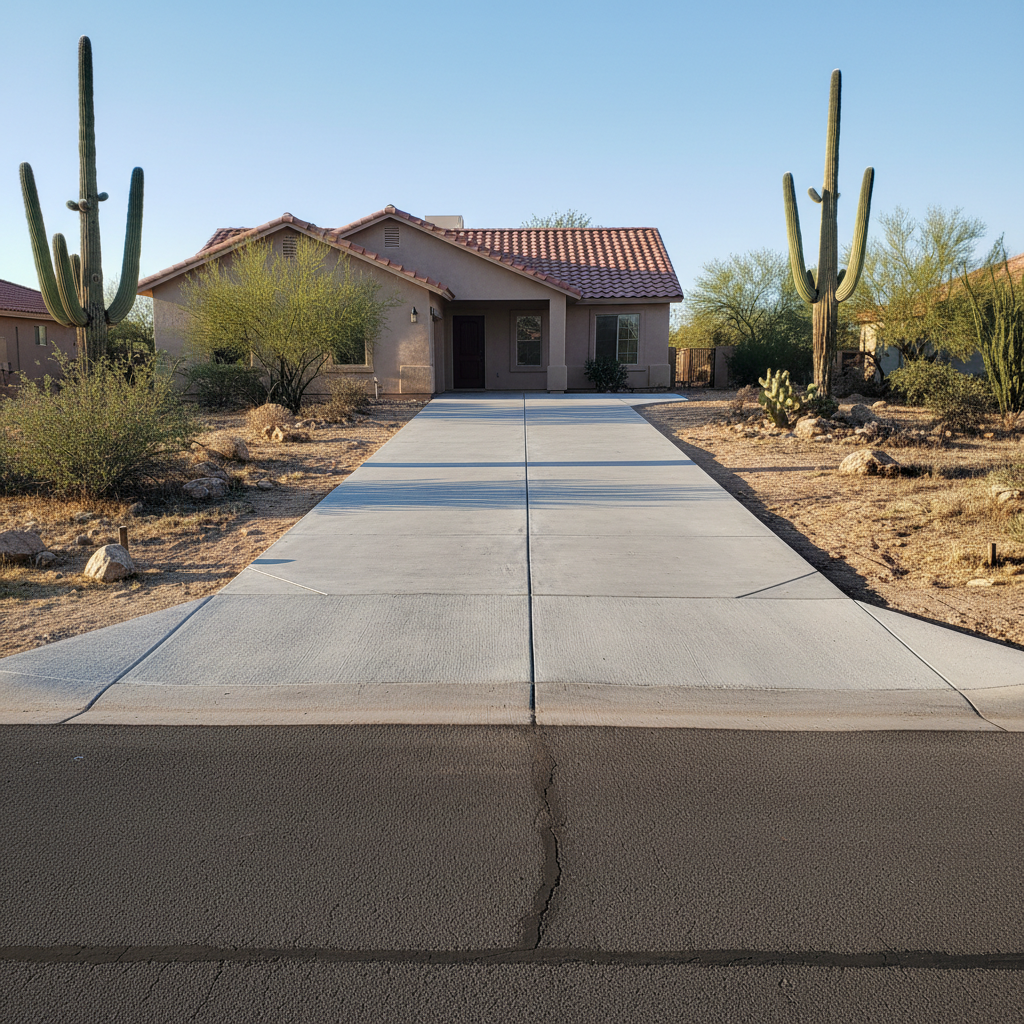
We excavate past the caliche, compact a proper gravel base, and pour driveways 4 to 6 inches thick depending on what you're parking on it. Control joints get cut the same day so the slab cracks along the joint instead of across the middle of your driveway.

Concrete Patios

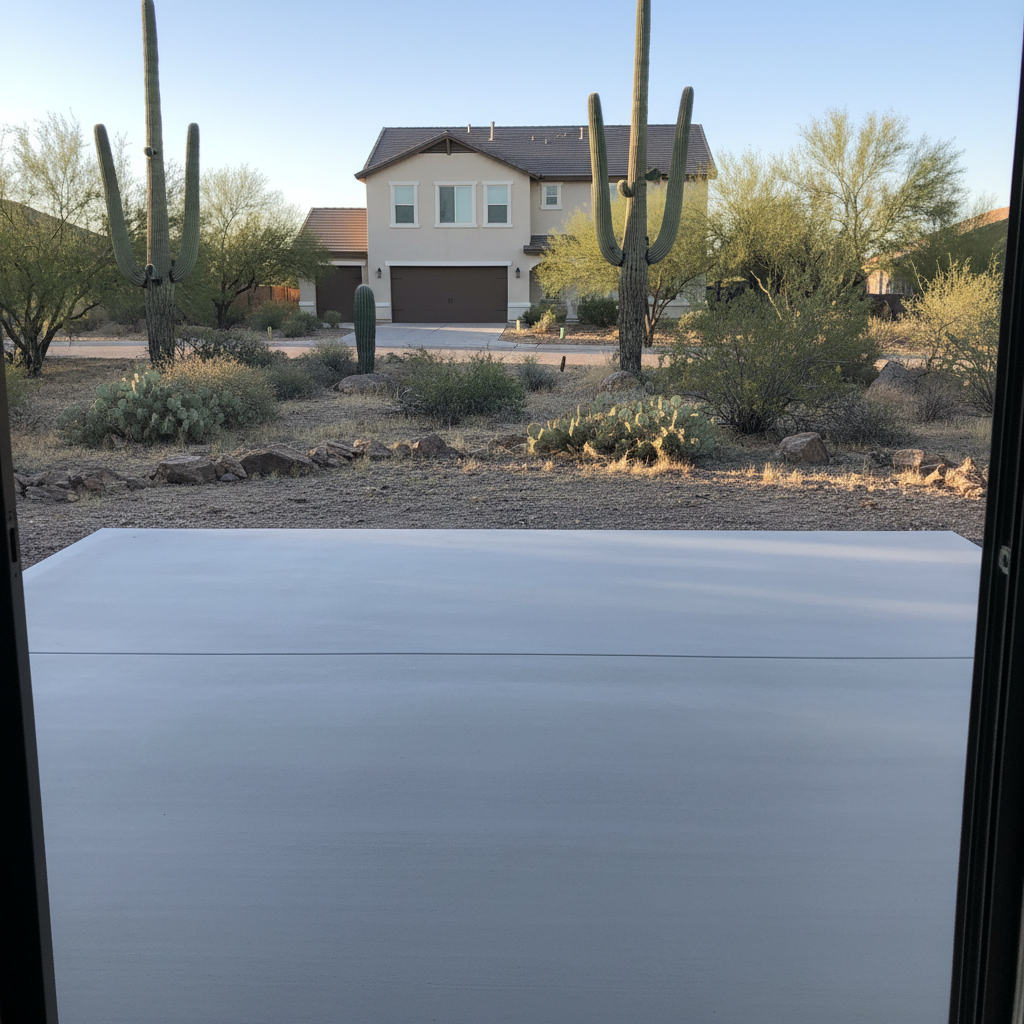
A patio gets a broom or light texture finish so it isn't slick when wet, and we slope it away from the house so water doesn't pool against your foundation. We'll talk through size and shape before we set forms, since that's easier to change on paper than in concrete.

Stamped Concrete

Stamped concrete gets you the look of flagstone, brick or slate without the joints weeds and ants get into. We color and seal it, and the sealer needs reapplying every couple of years in this sun or the color fades fast.

Concrete Repair

Cracked slabs, sunken sections and spalled or pitted surfaces don't always need a full tear-out. We can mudjack a sunken section back level, patch spalling, or saw-cut and replace just the damaged panel if the rest of the slab is sound.

Concrete Slab Foundations

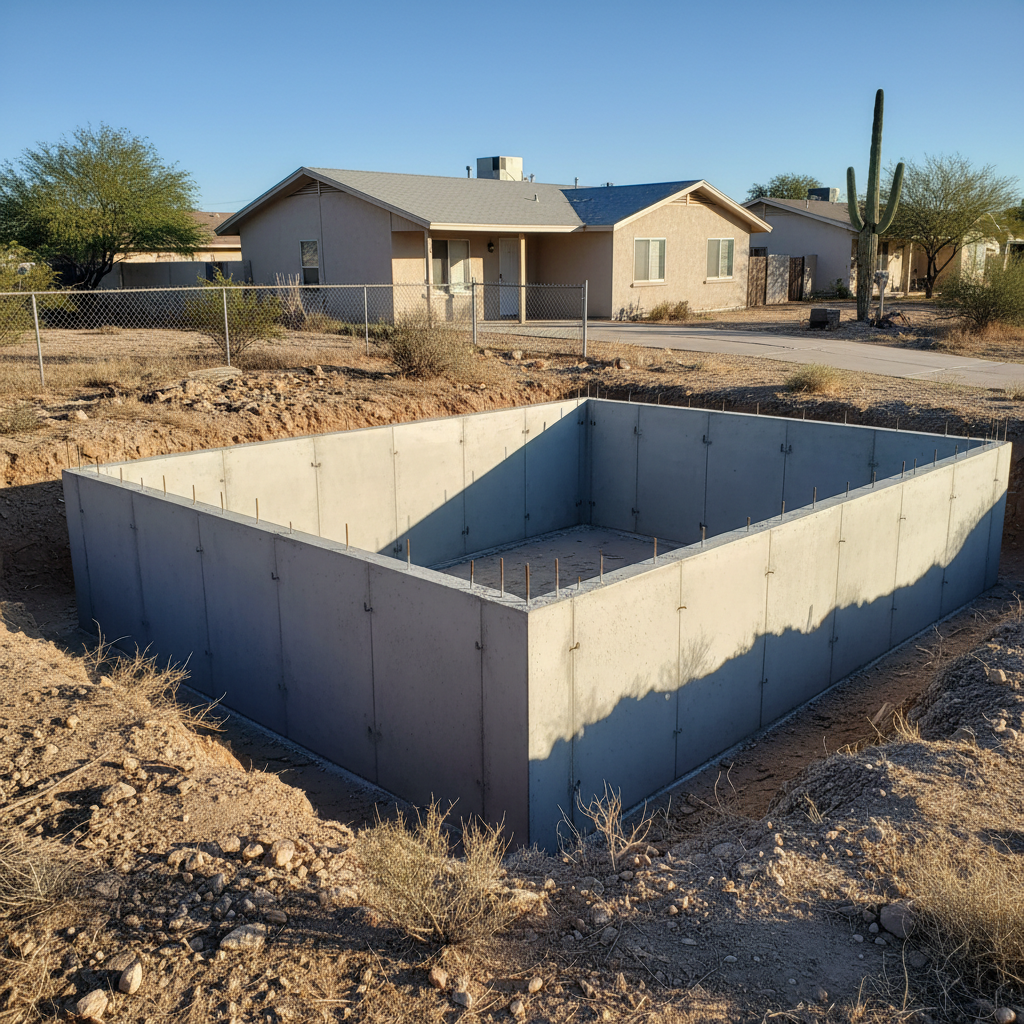
We pour slab foundations for additions, casitas and garages, with rebar set on chairs so it sits in the middle of the slab instead of the bottom. Vapor barrier goes down first, which matters more here than people think given how much moisture moves through the ground after monsoon rain.

Concrete Sidewalks & Walkways

Walkways get the same base prep as a driveway, just narrower forms. We keep the slope consistent so you're not tripping on a lip where one panel settled different from the next.

Concrete Pool Decks

A pool deck finish has to stay cool enough to walk on barefoot in July, which rules out a dark stamped finish no matter how good it looks in a photo. We usually recommend a lighter color or a cool-deck coating, and we slope it to drain away from the pool shell.

Exposed Aggregate Concrete

We wash back the top layer of cream to expose the stone underneath for a textured, non-slip surface. It holds up well around pools and entries, and it hides minor surface cracking better than a plain broom finish does.

Concrete Steps & Porches

Steps and porch slabs get formed and poured to code rise and run, which matters more than people realize when a slab settles unevenly over a few years. We tie new steps into existing foundations with rebar dowels instead of just butting concrete against concrete.

RV Pads & Garage Slabs

An RV pad or garage slab that's going to carry real weight gets a thicker pour and rebar instead of wire mesh. We'll ask what you're parking on it before we quote the thickness, since a travel trailer and a dually truck load the slab differently.

How It Works

Four steps, and no surprises in any of them.

01

We come and look

You tell us what you want doing, we look at what is actually there, and we ask the awkward questions early.

02

You get a price

In writing, itemised, free. If something might add cost later we flag it now rather than at the end.

03

We do the work

Same crew throughout. We cover your floors, keep the dust down and tidy up before we leave each day.

04

We walk it with you

You point out anything you are not happy with and we fix it before the invoice, not after.

Where We Work

All of this, across Marana, AZ

Serving homeowners across these Pima County communities.

Marana, AZ
Tucson, AZ
Casas Adobes, AZ
Catalina Foothills, AZ
Oro Valley, AZ
Sahuarita, AZ
Green Valley, AZ
Catalina, AZ
Vail, AZ
South Tucson, AZ
Picture Rocks, AZ
Common Questions

Things worth asking

Questions that come up once a project gets underway.

Do I need a permit for a new driveway or patio?
Permit requirements depend on the municipality and scope of work, but a driveway apron connecting to a public street usually needs a permit and inspection. A standalone backyard patio often doesn't, though it's worth confirming with the local building department first.
How long does a concrete driveway take to install?
Excavation and base prep usually take a day or two, the pour itself takes a few hours, and the slab needs about 24 to 48 hours before foot traffic and five to seven days before it can handle vehicle weight. Full cure strength takes closer to 28 days, though the driveway is usable well before then.
Can concrete work be done on a budget?
A plain broom finish costs less than stamped or stained concrete and still holds up fine structurally. Reducing the footprint or phasing a project, like pouring the driveway first and the patio later, is another way to manage cost.
Do you guarantee your concrete work?
Workmanship on a concrete pour is typically backed for a set period against defects like improper curing or joint placement, though concrete is a natural material and some hairline cracking at control joints is expected over time. The written quote should spell out exactly what's covered.
Who will I be dealing with during the project?
On most concrete jobs, the person who gave the quote is the same one running the crew on-site, which keeps communication direct instead of filtered through an office. Confirming this before the job starts matters if having one point of contact is important.
What kind of concrete mix do you use?
Residential flatwork typically uses a 3,000 to 4,000 PSI mix, with the higher end used for driveways and anything carrying regular vehicle weight. Reinforcement is usually rebar on chairs for structural slabs and wire mesh for lighter-duty walkways, though rebar holds up better long-term.
Can I still live at home during a concrete project?
Most concrete work is contained to the specific area being poured, like a driveway or patio, so the rest of the property stays usable. Access to a driveway will be blocked for several days while it cures enough to drive on.
How should I prepare my property before the crew arrives?
Clearing the area of furniture, plants and anything removable helps a concrete crew get straight to excavation. Marking any buried sprinkler lines or low-voltage wiring ahead of time also saves a headache once equipment starts digging.
What if something unexpected turns up once you start digging?
Hitting a caliche layer, old buried concrete, or an unmarked sprinkler line happens occasionally and gets handled before the pour continues. Anything that adds cost beyond the original quote should be discussed and approved before work moves forward, not after.
How do I take care of new concrete once it's poured?
New concrete shouldn't be driven or parked on for at least five to seven days and should stay clear of heavy objects during that window. Sealed or stamped concrete should have the sealer reapplied every two to three years in Arizona sun to keep it from fading or letting water in.

Not sure what you need?

Describe the problem and we will tell you what it probably is. No obligation.
Call (520) 346-3677